That ’70s Horror Show

Call me an old fart reminiscing about his younger, wilder, more foolish days — boring everyone around him with tales of how much better things supposedly were back then. I’d almost agree with that caricature, if it weren’t for the fact that I don’t actually believe the world was a better place when I was young. It was just as dangerous and treacherous then as it is today.
I was born shortly after the student riots that swept across the Western hemisphere — protests against university conditions and government repression, often met with heavy-handed police responses. They culminated, infamously, in 1970, when the Ohio National Guard opened fire on demonstrators at Kent State University, killing four students and wounding nine others.
Only a few years earlier, Martin Luther King Jr. and Robert Kennedy had been assassinated.
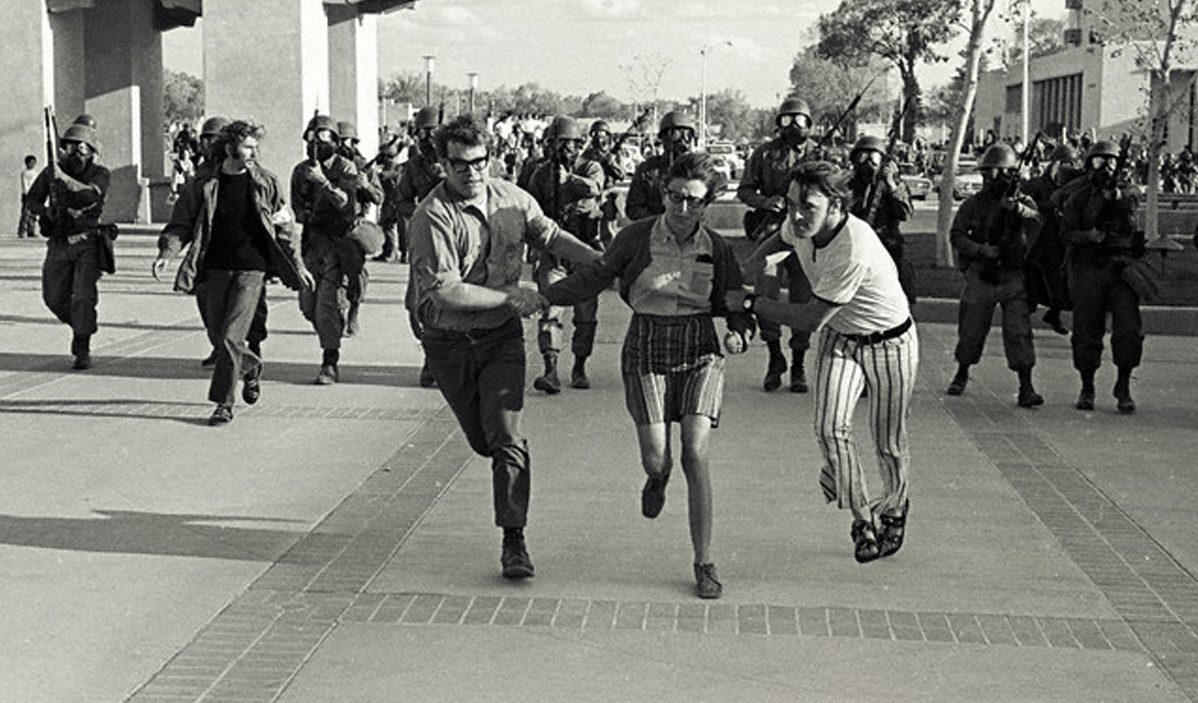
Throughout the seventies, wars, conflicts, and civil wars raged across the globe. Listing them all would take me too far, but the roll call comes easily: Vietnam, The Troubles in Northern Ireland, the Khmer Rouge insurgency, the Lebanese Civil War, the genocide in East Timor, the Angolan Civil War. These were not distant footnotes — they were daily news, broadcast straight into living rooms. The images left their mark on my young mind.
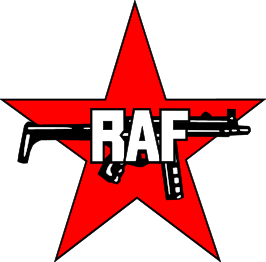
Terrorist groups from every corner of the political spectrum added to the atmosphere of fear. Their names and acronyms still leave a bitter aftertaste: Black September, PLO, IRA, ETA, Rote Armee Fraktion, Brigate Rosse, and many others. Bombings, kidnappings, hijackings — it felt as if something horrific happened almost every day. The list of innocent victims is long and sobering.


Comments
Post a Comment